

🌿Southeastern Virginian Native Plants
<script async src="https://pagead2.googlesyndication.com/pagead/js/adsbygoogle.js?client=ca-pub-6545958482916591"
crossorigin="anonymous"></script>
🌿Why Plant Native?
Native plants are more than beautiful additions to a garden. This is especially important in Hampton Roads, where the ecosystem and civilization meet during every tide and heavy rain.
A thoughtfully planted yard can provide:
-
🌿Food for native bees and other pollinators
-
🌿Host plants for butterflies and caterpillars
-
🌿Seeds, berries and shelter for birds
-
🌿Opportunities to capture and slow stormwater
-
🌿Greater biodiversity in our neighborhoods
-
🌿Habitat that supports local wildlife
-
🌿Landscapes better suited to local environmental conditions
But choosing native plants isn't about turning every yard into a wilderness.
It's about making thoughtful choices—one plant, one garden, and one neighborhood at a time.

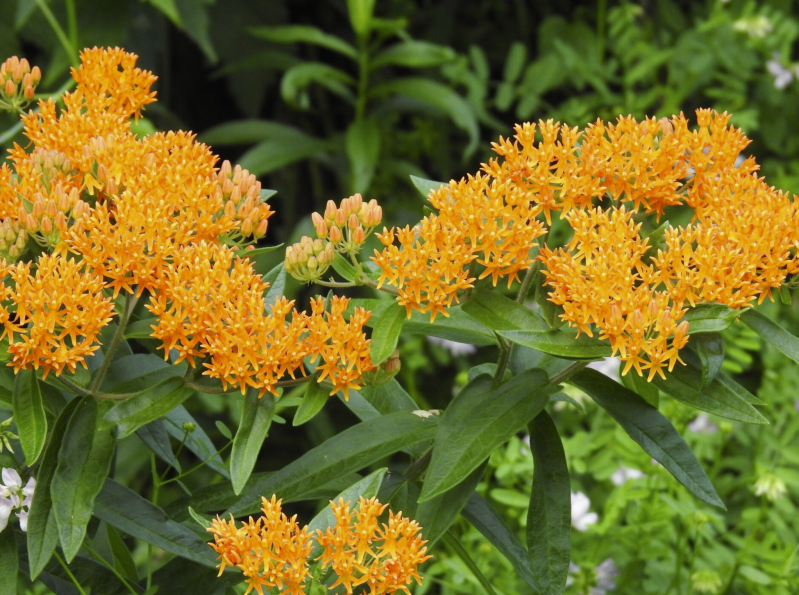
Black-Eyed Susan (Rudbeckia hirta) & Wild Bergamot / Bee Balm (Monarda fistulosa)
🌿Native Plant Spotlights:


🌿Native Plant Resources
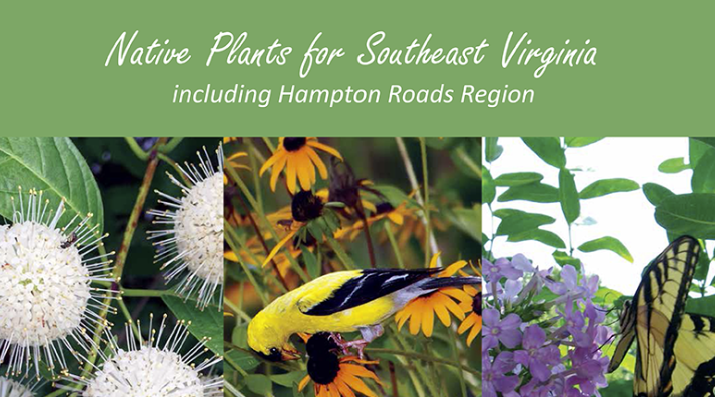
🌿South Eastern VA Native Plant Guide
Helpful Native Plant Resources
Looking for more Virginia-native plant information? The Virginia Native Plant Society has an excellent free guide with native trees, shrubs, perennials, grasses, and ferns suitable for Virginia landscapes.
Resource provided by the Virginia Native Plant Society. All rights remain with the original publisher.

🌿Native Plants for Wildlife Habitat and Conservation Landscaping
The guide, from the U.S. Fish & Wildlife Service, explains why native plants matter — from providing food and shelter for wildlife to reducing the need for watering, fertilizer and pesticides once plants are established. It even discusses using native plants to help with drainage, erosion and stormwater runoff. All rights remain with the original publisher.
🌿What About Invasives?
Invasive plants can look beautiful—but they can cause big problems.
Invasive species can spread quickly, crowd out native plants, reduce habitat for local wildlife, and disrupt the ecosystems our region depends on. In Hampton Roads, choosing native plants instead can help support pollinators, birds, and other wildlife while creating a healthier, more resilient landscape.
Before adding a new plant to your yard, take a moment to ask: Is it native to our region, and could it become invasive? 🌱
Small choices in our own yards can make a big difference for the larger ecosystem. If you just must have an invasive plant, keep it as an indoor plant. Even as a potted outside plant, many invasive plants can still easily spread.
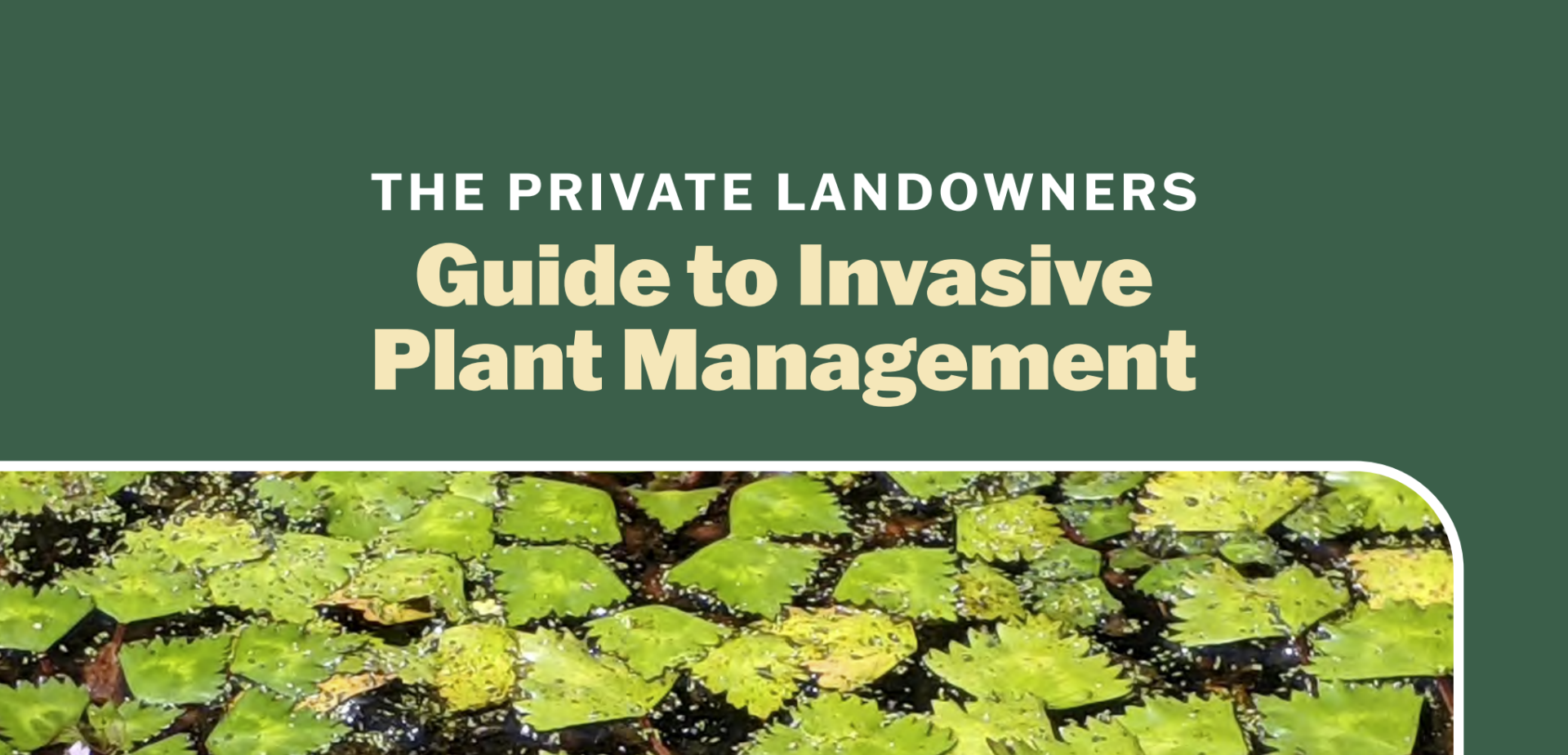
🌿Guide to Invasive Plant Management
Here are some great tips to managing invasive plants on your private property.
Resource provided by the Virginia Department of Conservation and Recreation. All rights remain with the original publisher.
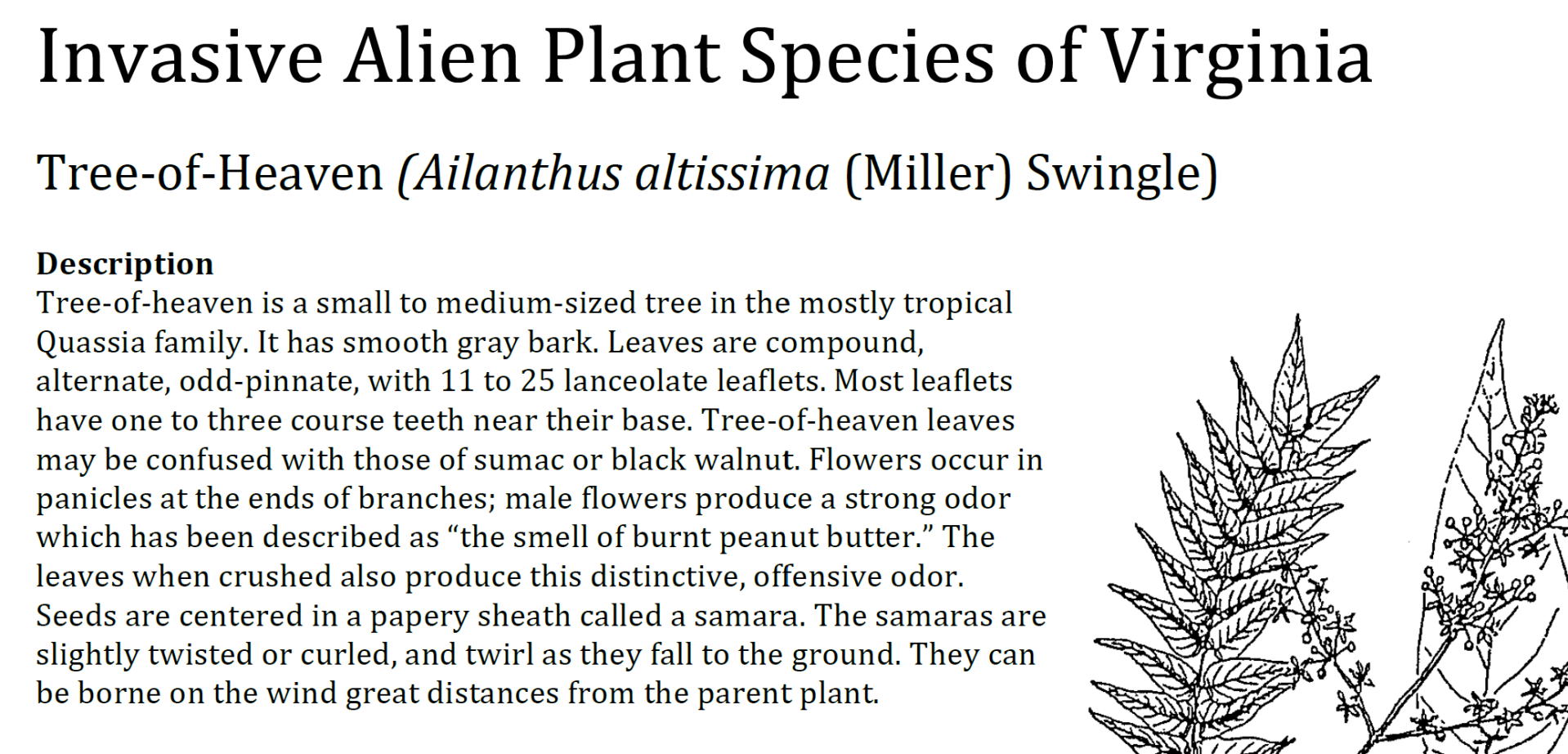
🌿Invasive Plant List
Trying to see which plants on your property are invasive species? Check the list!
Resource provided by the Virginia Department of Conservation and Recreation and Virginia Native Plant Society. All rights remain with the original publisher.