

Growing native, one yard at a time.
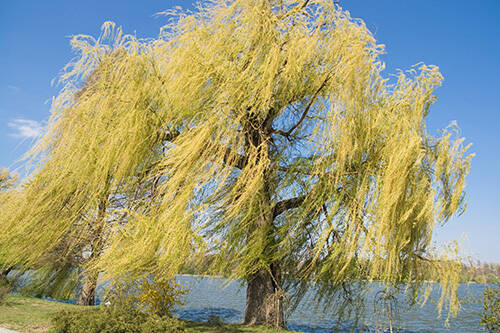
Along the waterways, wetlands, and damp landscapes of Hampton Roads, some of our most valuable native plants are the ones that thrive where land and water meet. This month, Root & Bloom Norfolk is highlighting Carolina Willow (Salix caroliniana), a fast-growing native shrub or small tree with an interesting history and an important connection to traditional plant medicine.
🌿 Meet Carolina Willow
Carolina Willow is also known as Coastal Plain Willow and Swamp Willow. It belongs to the willow family, Salicaceae, and is naturally adapted to wet environments throughout parts of the southeastern United States.
According to the Digital Atlas of the Virginia Flora, Carolina Willow is native to Virginia, with documented records in several Hampton Roads localities, including Suffolk, Chesapeake, Virginia Beach, and Hampton.
Its natural habitats include streambanks, tidal swamps, marshes, ponds, and other moist areas. That makes this species particularly interesting for understanding the native vegetation of our coastal region.
🌿 A Natural Fit for Wet Landscapes
Carolina Willow is adapted to the conditions found along waterways and in wet soils. In the right setting, it can contribute to a naturalized landscape while providing vegetation along the edges of ponds, streams, and wetlands.
Here are a few things to know about this native species:
-
Light: Full sun to partial shade.
-
Soil: Moist to wet soils.
-
Growth: A fast-growing shrub or small tree that can reach approximately 30 feet in tree form.
-
Habitat: Wetland edges, streambanks, ponds, and other damp areas.
The St. Johns River State College Tree Campus guide describes Carolina Willow's growth forms and its preference for damp environments.
A planting consideration: Carolina Willow can grow vigorously and form dense thickets. Give it plenty of space, and avoid planting it close to foundations, underground utilities, or areas where its growth could interfere with access to waterways. It is generally better suited to larger, naturalized spaces than small ornamental beds.
🌿Why Native Willows Matter
Native plants help connect our yards with the ecosystems around us. Willows are particularly valuable to wildlife because they support insects and other organisms that form the foundation of local food webs.
Willow flowers can provide pollen and nectar for bees and other insects, while willow foliage supports various caterpillars and other plant-eating insects. Those insects, in turn, become food for birds and other wildlife.
By preserving suitable native wetland vegetation, we can help maintain the ecological connections that make our coastal landscapes so important.
For Hampton Roads, where wetlands, waterways, and developed neighborhoods exist side by side, understanding and protecting these habitats is an important part of growing a more resilient region.
🌿Did You Know? Willow Bark Has a History in Traditional Medicine
Willows have a long history of use in traditional medicine. Their bark contains salicin, a natural compound that the body can convert into salicylic acid. Salicin helped inspire the development of aspirin, a widely used medicine for pain and fever.
Willow bark preparations have traditionally been used for headaches and other aches and pains. The European Medicines Agency recognizes traditional willow bark preparations for the relief of headaches, although the evidence and approved uses depend on the particular preparation.
However, there is an important distinction: research on medicinal willow bark does not establish that bark harvested from Carolina Willow specifically is a safe or effective homemade headache treatment.
We don't recommend harvesting Carolina Willow bark and making tea or other preparations for medicinal use. The amount of active compounds can vary, and homemade preparations are not standardized.
Willow bark products can also cause adverse effects and may increase bleeding risk. They may be unsuitable for people with aspirin or salicylate allergies, those taking blood thinners, pregnant or breastfeeding individuals, and children. If you're interested in willow bark as a medicinal product, consult a qualified healthcare professional before using it.
We can appreciate the fascinating connection between native plants and modern medicine while respecting the difference between traditional knowledge and a proven, safely prepared treatment.
🌿 Should You Plant Carolina Willow?
Carolina Willow may be worth considering if you have a larger property with naturally wet soil, a pond edge, or a suitable naturalized area. Its vigorous growth makes choosing the right location especially important.
For smaller Norfolk yards, rain gardens, and residential landscapes, it's worth considering the site's size, drainage, and maintenance needs before choosing a willow. Other native plants may be a better fit depending on your goals.
Before planting, confirm the species identification and its suitability for your specific location.
🌿 Growing Native, One Yard at a Time
Carolina Willow reminds us that native plants are more than beautiful additions to a landscape. They have relationships with wildlife, water, soil, and even the history of human medicine.
At Root & Bloom Norfolk, we're exploring the plants that belong to our region and the ways they can help us create healthier, more wildlife-friendly outdoor spaces.
Have you spotted Carolina Willow near a local pond, wetland, or waterway? Share your observations with our community!
Root & Bloom Norfolk — Growing native, one yard at a time.
Sources and Further Reading
-
Digital Atlas of the Virginia Flora: Salix caroliniana — Carolina Willow. Botanical identification, native status, Virginia distribution, and habitat information.
-
St. Johns River State College, Tree Campus: Carolina Willow. Growth form, physical characteristics, and habitat preferences.
-
Memorial Sloan Kettering Cancer Center: Willow Bark. Information about traditional uses, salicin, evidence, and safety considerations.
-
European Medicines Agency: Willow Bark (Salicis cortex). Information about traditional medicinal uses and approved willow bark preparations.
https://www.sjrstate.edu/treecampus/carolinawillow