

When summer starts winding down, many gardens begin to lose their color. But there’s one native plant that is just getting started — and if you want to attract hummingbirds to your Norfolk yard, it deserves your attention.
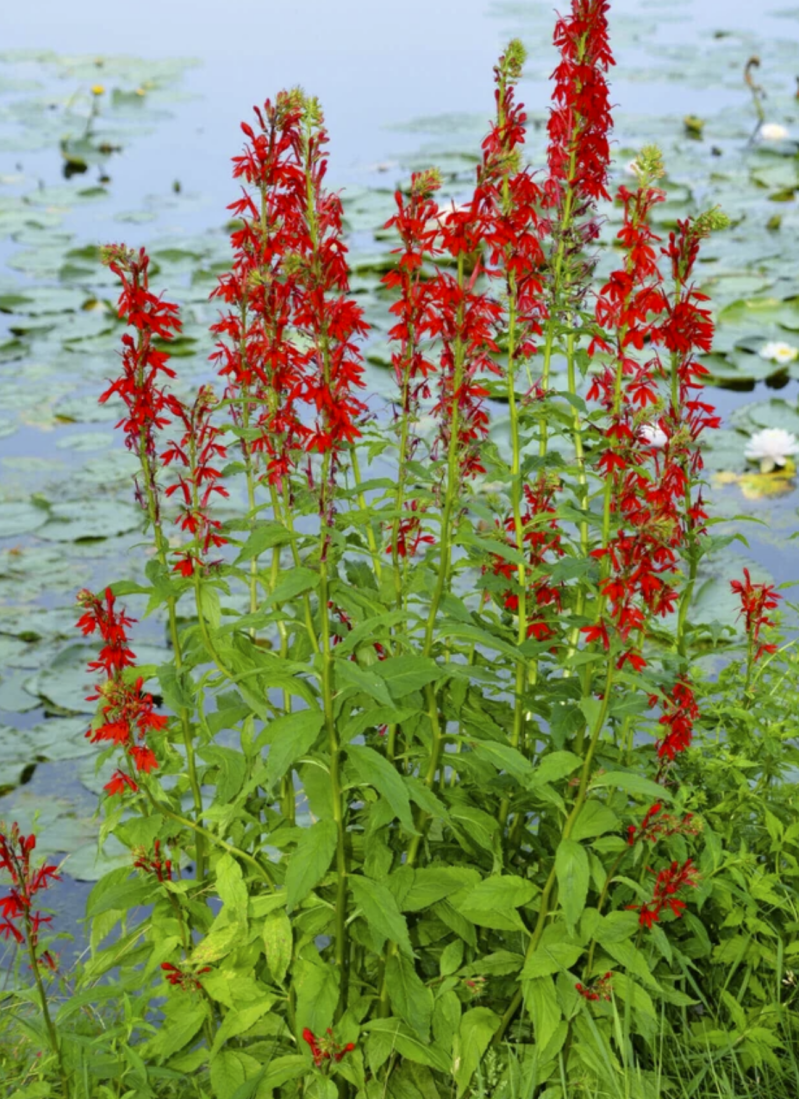
Meet Cardinal Flower (Lobelia cardinalis).
With tall spikes of brilliant scarlet-red flowers, Cardinal Flower is one of those plants that stops you in your tracks. And those red blooms aren't just beautiful to us — they're especially attractive to hummingbirds.
For a Norfolk native garden, it's a beautiful way to add late-summer color while creating habitat for local wildlife.
Why Cardinal Flower Is Perfect for Norfolk
Cardinal Flower is native to Virginia and naturally occurs in moist and wet habitats, including stream edges, wet meadows, swamps and marshy areas.
That makes it particularly useful in parts of Hampton Roads where moisture can be a challenge.
Instead of trying to force a plant that prefers dry soil into a soggy area of your yard, Cardinal Flower can actually work with those conditions.
It can be an excellent choice for:
- Rain gardens
- Low areas that stay moist
- Pond and water-garden edges
- Drainage areas
- Moist woodland gardens
- Pollinator gardens
And its bloom period is especially valuable.
Cardinal Flower typically blooms from summer into early fall, providing nectar when many spring-blooming plants have already finished.
How to Grow Cardinal Flower
Cardinal Flower isn't difficult to grow when you give it the conditions it naturally prefers.
☀️ Light
Cardinal Flower performs best in full sun to partial shade.
In Norfolk's hot summers, a location with morning sun and some afternoon protection can be especially helpful if your soil tends to dry out.
💧 Soil & Moisture
This is the big one.
Cardinal Flower likes consistently moist soil and does not appreciate being allowed to dry out completely.
If you're planting it in a garden bed that dries quickly, add compost and organic matter to help retain moisture. A layer of natural mulch can also help keep the roots cool and moist.
For a rain garden or naturally damp area, however, Cardinal Flower can be right at home.
🌱 Planting
Plant Cardinal Flower after the danger of frost has passed.
Give individual plants enough room for good air circulation and growth. They can eventually form attractive clumps, creating an even bigger display of red flowers.
Water newly planted Cardinal Flower regularly while it establishes.
Once established in an appropriately moist location, maintenance becomes much easier.
🍂 Maintenance
One of the best things about native plants is that they don't need to be perfectly manicured.
Allowing flowers to remain after blooming provides opportunities for seed production and wildlife.
Cardinal Flower is a short-lived perennial, but it can reseed under the right conditions.
Rather than removing every spent flower immediately, consider leaving some seed heads in place.
You may be rewarded with new plants in future seasons.
How to Attract More Hummingbirds
Cardinal Flower is an excellent hummingbird plant, but if your goal is to make your yard a true hummingbird habitat, don't stop with one plant.
Think layers.
Hummingbirds need more than nectar. They also need places to perch, shelter and find insects.
Plant a succession of blooms
Try creating a garden where something is flowering throughout the growing season.
For example:
Spring: Columbine and native azaleas
Early Summer: Bee balm and mountain mint
Late Summer: Cardinal Flower and Great Blue Lobelia
Fall: Goldenrod and asters
The goal is simple:
Don't give hummingbirds one meal. Give them a season-long buffet.
🌿 Include plants with different flower shapes
Cardinal Flower's tubular flowers are particularly well suited to hummingbirds.
Combine it with other native plants that offer different flower shapes and bloom times to create a more diverse food source.
🐛 Skip the pesticides
This may be one of the most important things you can do.
Hummingbirds don't live on nectar alone.
They also eat tiny insects and spiders — especially when feeding their young.
A garden that's constantly treated with broad-spectrum pesticides can remove an important part of the food web that hummingbirds depend on.
Instead of trying to create a perfectly bug-free garden, create a healthy garden ecosystem.
A few aphids aren't necessarily a problem.
They're food.
Should You Put Out a Hummingbird Feeder?
You can, but you don't have to.
A garden filled with native flowering plants provides a more complete habitat than a feeder alone.
If you do use a feeder, keep it clean and change the sugar solution regularly, especially during hot Norfolk summers.
A simple nectar recipe is:
1 part white refined sugar
4 parts water
Bring the water to a boil, dissolve the sugar, and allow it to cool before filling the feeder.
You don't need red food coloring.
And never use honey, artificial sweeteners or flavored syrups.
But remember:
A feeder provides food. A native garden provides habitat.
That's a much bigger win for wildlife.
🌿 Create a Hummingbird-Friendly Corner
You don't need a huge yard to help.
Even a small garden bed, patio container or narrow planting strip can become a valuable source of nectar.
Try combining Cardinal Flower with other native plants that bloom at different times.
And don't worry about making everything perfectly neat.
Leave some leaves.
Leave some seed heads.
Allow a few insects to exist.
Create a little bit of wildness.
Because sometimes the most beautiful garden isn't the one that's perfectly controlled.
It's the one that's alive.
❤️ Root & Bloom Norfolk's Takeaway
Cardinal Flower is more than a pretty red flower.
It's a reminder that native plants can make our yards more beautiful while also making them more useful to wildlife.
Here in Norfolk, we're surrounded by water, wetlands and coastal habitats. Choosing plants adapted to those conditions can help us create landscapes that are better suited to our environment — and better for the wildlife that shares it with us.
So this August, look beyond the traditional garden-center annuals.
Plant something native.
Plant something that feeds a hummingbird.
And let your yard become part of the ecosystem.
🌱 Grow native. Grow wild. Grow something that gives back.
Want to add Cardinal Flower to your garden? Here’s where you can find this beautiful native! 🌿💕
👉https://tnnursery.net/products/cardinal-flower?_pos=1&_sid=9ca7417d5&_ss=r
For 10% OFF Use Discount Code: ROOTANDBLOOMNORFOLK-SERVINGTIDEWATERVIRGINIA
We may earn a small commission if you purchase through this link, at no extra cost to you. Thank you for supporting Root & Bloom! 🌱💚

Want to add Cardinal Flower to your garden? Here’s where you can find this beautiful native! 🌿💕
For 10% OFF Use Discount Code: ROOTANDBLOOMNORFOLK-SERVINGTIDEWATERVIRGINIA
We may earn a small commission if you purchase through this link, at no extra cost to you.
Thank you for supporting Root & Bloom! 🌱💚