

There’s something wonderful about a fall vegetable garden. The heat begins to break, the soil is still warm, and crops like kale, broccoli, cabbage, lettuce, spinach, carrots, and radishes are ready to take center stage.
But fall gardens can also bring their share of pests—aphids, caterpillars, and other hungry insects looking for one last buffet before winter.
Before reaching for the pesticide, consider a different approach:
Plant a garden that invites the good bugs in.
Instead of trying to eliminate every insect, we can create a garden ecosystem where beneficial insects help keep pest populations in check. And some of the best helpers can be planted right alongside your fall vegetables.
🌱 The sweet spot: close, but not in the vegetables
Think of your vegetable garden as having a protective ring of habitat around it.
You don't need the flowers touching your kale or broccoli. Beneficial insects can travel throughout your garden, so having flowering plants within or immediately adjacent to the vegetable garden is enough.
For a typical raised bed, I'd do something like:
OUTSIDE BORDER
🌻 Goldenrod — 💜 Aster — 🤍 Boneset — 💙 Mistflower
VEGETABLE BED
🥬 Kale | 🥦 Broccoli | 🥬 Cabbage | 🥕 Carrots
🌼 4 Native Plants That Can Help Protect Your Fall Garden
🌻 Goldenrod
Solidago spp.
Goldenrod gets an unfair reputation because it's often blamed for fall allergies. But here's the truth: goldenrod isn't the primary culprit behind most seasonal hay fever—that's generally wind-pollinated ragweed.
Goldenrod is actually a pollinator powerhouse and a fantastic addition to a fall garden.
Its late-summer through fall blooms provide nectar and pollen for native bees and other beneficial insects while attracting predators such as:
- Soldier beetles
- Lacewings
- Hoverflies
- Parasitic wasps
- Native bees
Goldenrod can also act as a trap crop, drawing aphids toward it and potentially away from your vegetable plants.
Best placement: Plant goldenrod along garden borders where it can provide a beautiful golden backdrop without taking over your vegetable beds.
Blooms: August–October
💜 Native Asters
Symphyotrichum spp.
If you want to keep beneficial insects around after your summer vegetables begin to fade, don't overlook native asters.
Their late-season flowers provide an important food source for pollinators and beneficial predatory insects at a time when many other garden flowers are finishing for the year.
That makes asters especially valuable in a fall vegetable garden.
Try planting them near:
🥬 Kale
🥦 Broccoli
🥬 Cabbage
The flowers bring beneficial insects into the same general area as your fall crops, creating a little living insectary right in your garden.
🤍 White Boneset
Eupatorium perfoliatum
White boneset is another excellent fall-garden ally.
Its clusters of small white flowers attract a variety of beneficial insects, including parasitic wasps. These tiny wasps may be small enough to go unnoticed, but they're incredibly valuable in the garden because many species parasitize pest insects such as caterpillars and aphids.
That makes boneset particularly useful around brassica crops, which are often magnets for caterpillars and aphids.
Try it near:
🥦 Broccoli
🥬 Cabbage
🥬 Kale
And as an added bonus, boneset is a beautiful native perennial that can become part of your garden landscape long after the vegetable season is over.
💙 Blue Mistflower
Conoclinium coelestinum
Blue mistflower brings a completely different look to the fall garden with clouds of soft blue-purple flowers.
But don't let its delicate appearance fool you.
This plant can attract dozens of butterfly species along with predatory wasps and other beneficial insects.
Blue mistflower also spreads readily, making it useful for creating a larger living insectary—an area intentionally planted to provide food and habitat for beneficial insects.
It's particularly nice near:
🍅 Tomatoes
🌶️ Peppers
Just give it room to spread.
🌱 Think of Your Garden as a Team
One of the easiest ways to incorporate these plants is to think about pairings rather than treating every vegetable bed as an isolated space.
🥬 Kale
Pair with: Goldenrod + Native Asters
These late-season bloomers provide nectar and habitat for beneficial insects while your kale is growing.
🥦 Broccoli
Pair with: White Boneset + Mountain Mint
Both can provide flowers and habitat for beneficial insects that may help keep pest populations under control.
🥬 Cabbage
Pair with: Native Asters + White Boneset
A particularly good combination for a brassica garden where caterpillars and aphids can become troublesome.
🥗 Lettuce
Pair with: Blue Mistflower
Plant mistflower nearby to bring butterflies and predatory insects into the garden.
🌿 Spinach
Pair with: Native Asters
Asters provide late-season resources for beneficial insects while your spinach enjoys the cooler weather.
🌱 Radishes
Pair with: Partridge Pea
Partridge pea is a wonderful native plant for supporting pollinators and beneficial insects.
🥕 Carrots
Pair with: Mountain Mint
Mountain mint is an exceptional insectary plant and can bring a wide variety of beneficial insects into the garden.
🐞 The Goal Isn't an Insect-Free Garden
This is an important shift in how we think about gardening.
A healthy garden isn't a garden without insects.
It's a garden with enough biodiversity that no single pest species gets to run the show.
When we spray broad-spectrum pesticides, we don't always get to choose which insects disappear. Beneficial insects can be affected right alongside the pests we're trying to control.
Instead, we can build habitat for the insects we want.
Give the good bugs flowers.
Give them shelter.
Give them a reason to stay.
And give your garden a chance to find its own balance.
🌿 Your Fall Garden Can Be More Than a Vegetable Patch
Imagine walking into your fall garden and seeing goldenrod glowing along the border, asters buzzing with native bees, white boneset covered in tiny beneficial insects, and blue mistflower alive with butterflies.
Meanwhile, your kale, broccoli, cabbage, lettuce, spinach, carrots, and radishes are growing right alongside them.
That's more than a vegetable garden.
It's a tiny ecosystem.
And here at Root & Bloom, that's the kind of garden we're always cheering for—the kind that feeds your family and gives something back to the land.
So this fall, before you reach for the pesticide...
Try planting the helpers instead. 🌱
A beautiful garden doesn't have to fight nature. Sometimes, the best defense is simply giving nature a little more room to work. 💚
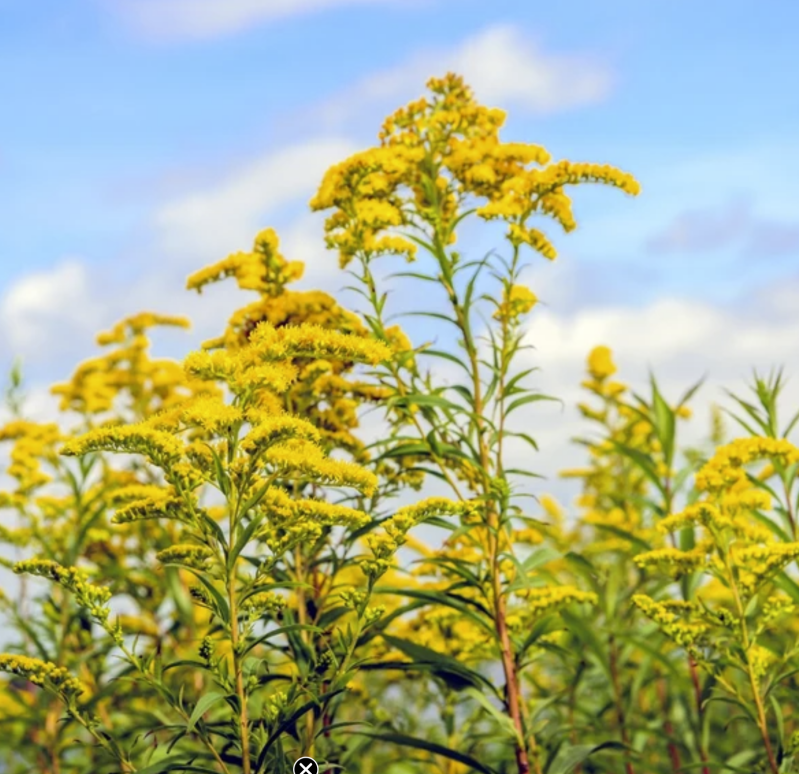
🌻 Goldenrod
Solidago spp.
Plant the border because it can get large, providing beneficial insects with a nearby nectar source without crowding vegetables.
Want to add Golden Rod to your fall garden? Here’s where you can find this beautiful native! 🌿💕
👉https://tnnursery.net/products/golden-rod?_pos=1&_sid=073d0d34f&_ss=r
For 10% OFF Use Discount Code: ROOTANDBLOOMNORFOLK-SERVINGTIDEWATERVIRGINIA
We may earn a small commission if you purchase through this link, at no extra cost to you. Thank you for supporting Root & Bloom! 🌱💚

💜 Native Asters
Symphyotrichum spp.
Plant asters along the borders and corners. They are an excellent insectary plant, but most species need room to spread.
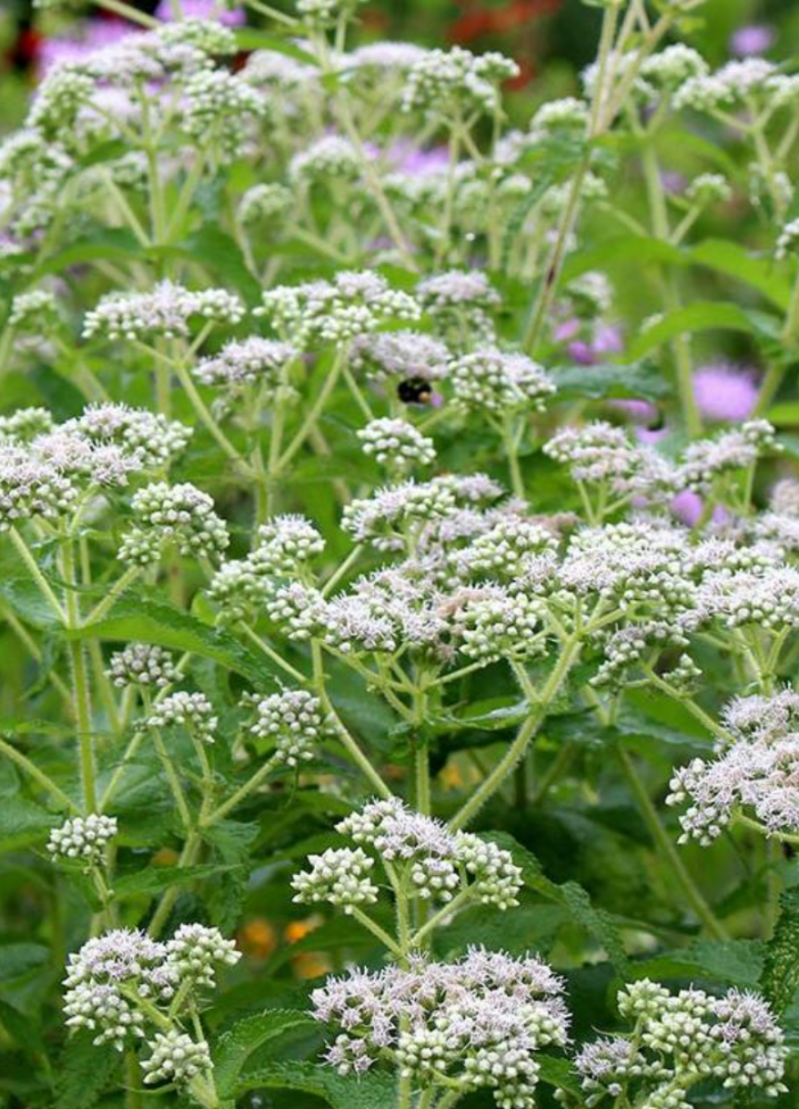
🤍 White Boneset
Eupatorium perfoliatum
Plant at the border or just outside the bed. White Boneset can get fairly tall and prefers consistent moisture.
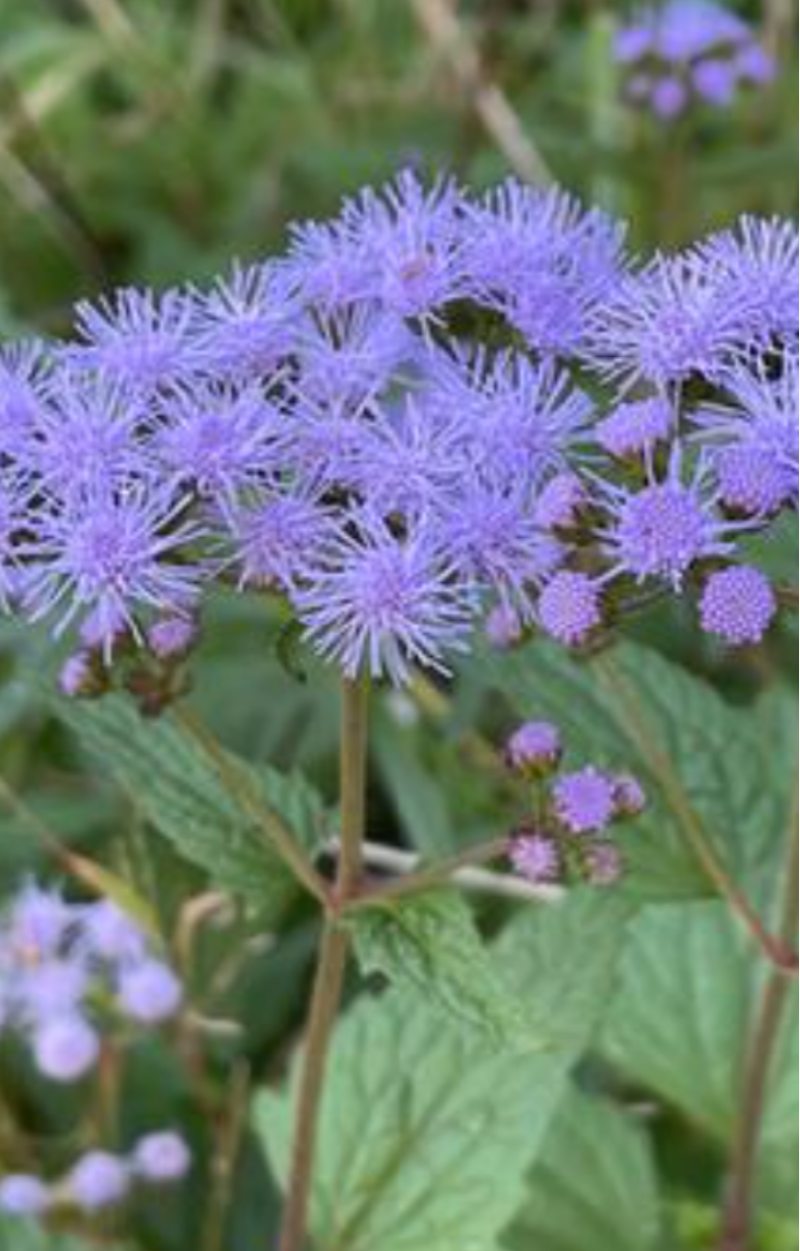
💙 Blue Mistflower
Conoclinium coelestinum
Plant nearby or at the border of your veggie garden. Blue Mistflower spreads readily, so give it room rather than putting it among vegetables.