

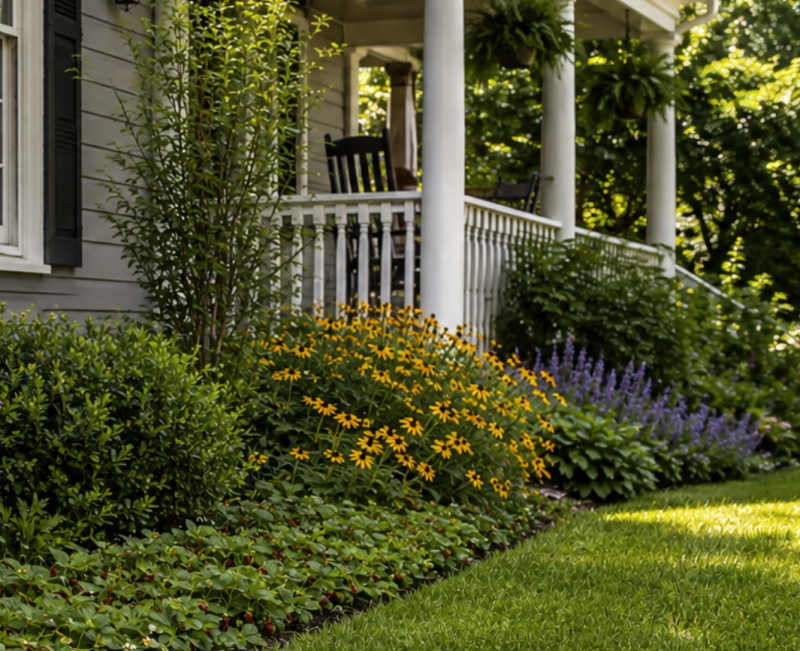
There’s nothing immediately charming about a patch of lawn. We all love a little green carpet beneath the old oak. A place for the kids to run barefoot. A tidy edge along the flower beds. But softening the edges adds the real cottage charm.
Think of turf more like an area rug and less like wall-to-wall carpeting.
Sometimes, the prettiest answer is to let the garden grow a little closer to the ground. Cascade the edges with a gentle variation from grass into the borders to create vignettes throughout your yard.
Groundcovers can soften a landscape, fill those awkward bare spots, help hold soil in place and give wildlife something more useful than a perfectly clipped patch of grass. And if we choose plants suited to our region, we can create a yard that feels right at home along the Coastal Plain.
So, pull up a garden chair and let’s talk about four lovely groundcovers worth knowing.
<script async src="https://pagead2.googlesyndication.com/pagead/js/adsbygoogle.js?client=ca-pub-6545958482916591"
crossorigin="anonymous"></script>
🍓 Wild Strawberry: A Little Berry Patch Beneath Your Feet
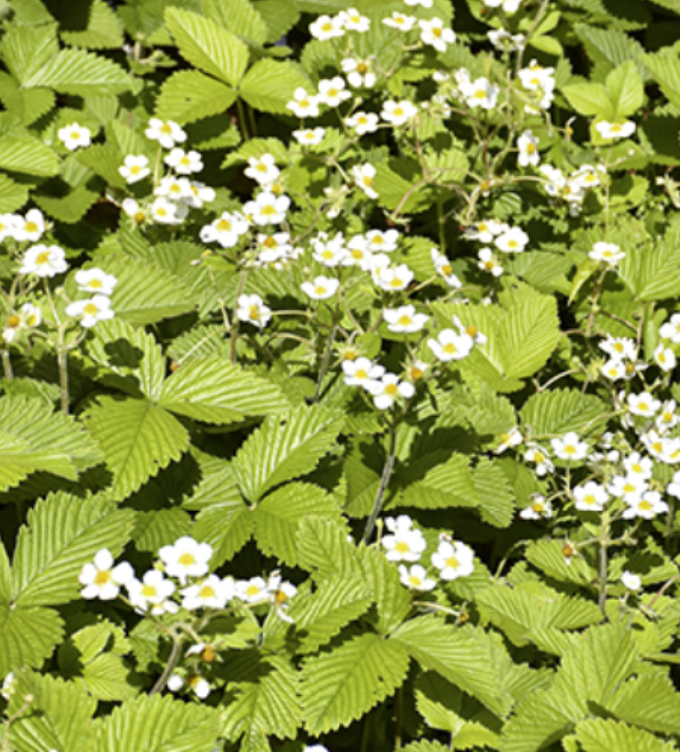
Wild strawberry (Fragaria virginiana) is one of those plants that doesn't ask for much attention but quietly gets on with the business of being useful.
It stays low to the ground and spreads by runners, creating a loose living carpet. In spring, its little white flowers bring a touch of sweetness to the garden, followed by tiny red berries.
They're much smaller than the strawberries you'll find at the grocery store, but they're part of what makes this plant so valuable to wildlife.
Where does it like to grow?
Wild strawberry does best in:
☀️ Full sun to part shade
🌱 Well-drained soil
🌿 Garden edges, open areas and naturalized spaces
And here's the lovely part: wild strawberry is a native plant well suited to our Hampton Roads region.
It's a wonderful choice when you want a groundcover that feels natural here rather than something imported simply because it looks good in a catalog.
🌸 Creeping Phlox: A Springtime Southern Charmer

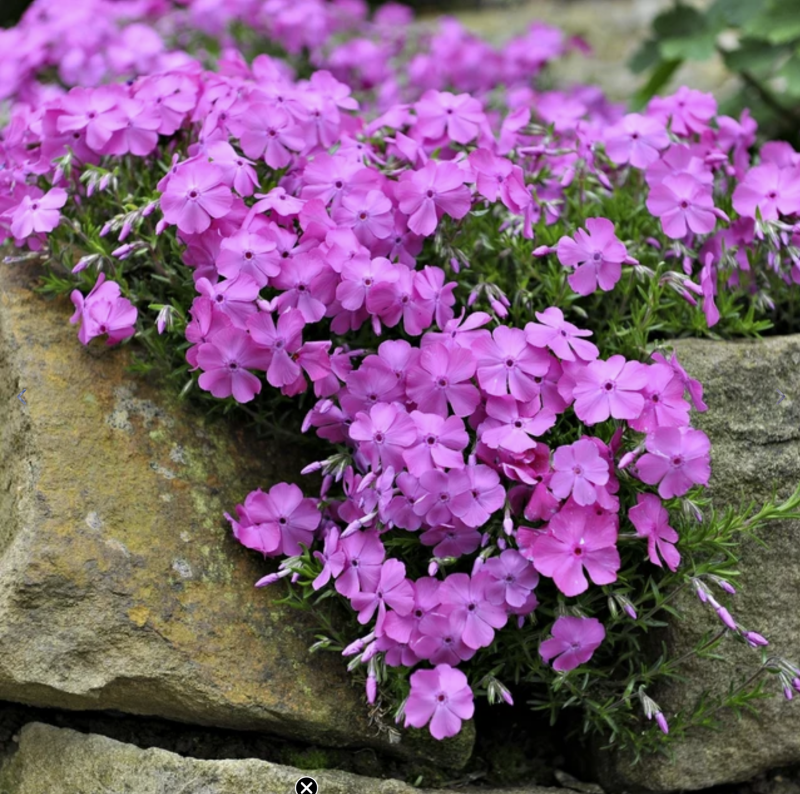
When spring rolls around, creeping phlox (Phlox stolonifera) knows how to put on a show.
This low-growing plant spreads along the ground and produces clusters of beautiful flowers in spring. It's especially lovely spilling over a garden edge or softening a slope.
Where does it like to grow?
☀️ Full sun to part shade
🌱 Well-drained soil
🌸 Great for slopes, borders and rock gardens
There is an important distinction here for our Hampton Roads gardeners.
Creeping phlox is native to Virginia, but it is not primarily a Coastal Plain species. Its natural range is more strongly associated with Virginia's Piedmont and mountain regions.
That doesn't make it a bad garden plant for Norfolk. Quite the contrary—it can grow beautifully here when given the right conditions.
But at Root & Bloom, we think it's important to be honest about the difference between “native to Virginia” and “native to the Coastal Plain.”
A plant doesn't have to be exclusive to Norfolk to have a place in our gardens. We just want to know its story.
Want to add Creeping Phlox to your garden? Here’s where you can find this beautiful native! https://collabs.shop/wttmrr
We may earn a small commission if you purchase through this link, at no extra cost to you. Thank you for supporting Root & Bloom!
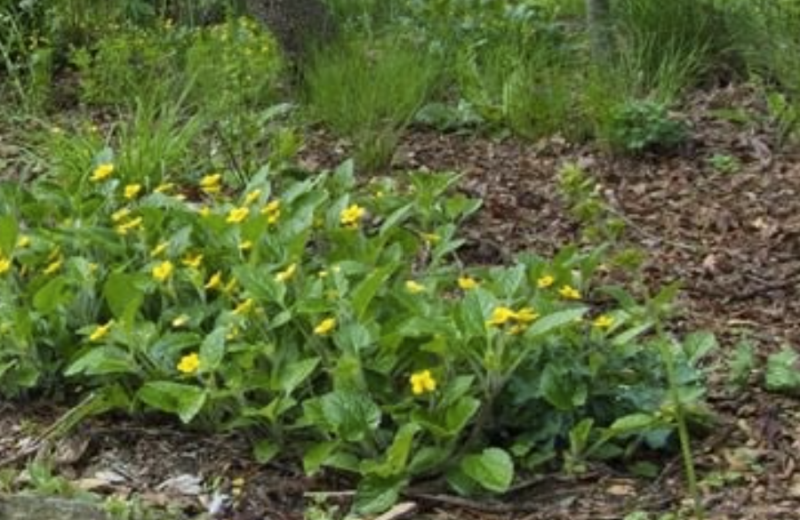
✨ Green-and-Gold: Sunshine for the Shady Garden
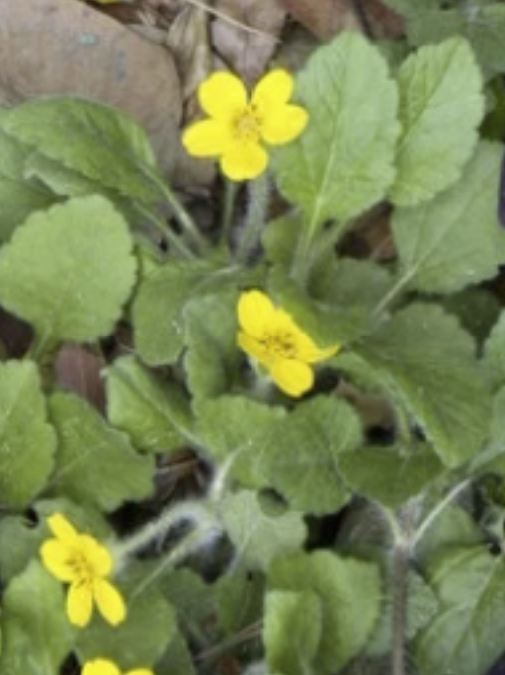
If you've got a shady corner where turf grass is looking downright pitiful, don't fight Mother Nature.
Try green-and-gold (Chrysogonum virginianum) instead.
This charming little groundcover forms a low mat of green foliage and produces cheerful yellow flowers that brighten up shady spaces.
It's the sort of plant that looks perfectly at home beneath trees or tucked along a woodland-style garden path.
Where does it like to grow?
🌤️ Part shade to shade
💧 Moist, well-drained soil
🌳 Excellent beneath trees and shrubs
Green-and-gold is native to Virginia, although its natural distribution extends beyond the Coastal Plain. So, just like creeping phlox, we'd describe it as a Virginia native that can perform well in our gardens rather than calling it a plant uniquely native to Norfolk.
And that's an important part of gardening with natives: the more we learn about where our plants come from, the better gardeners we become.
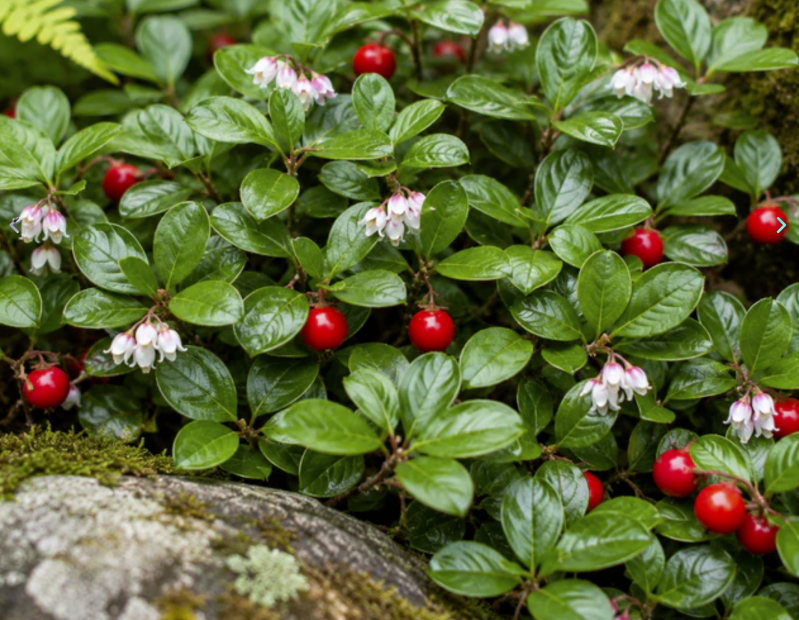
❤️ Partridgeberry: The Evergreen Little Gem
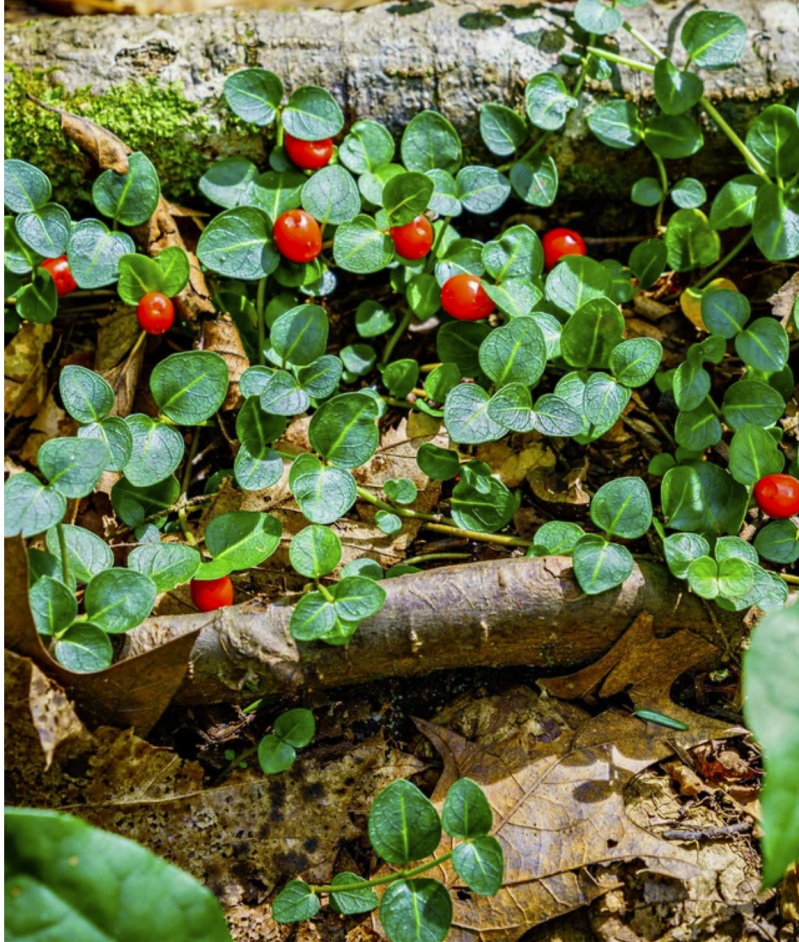
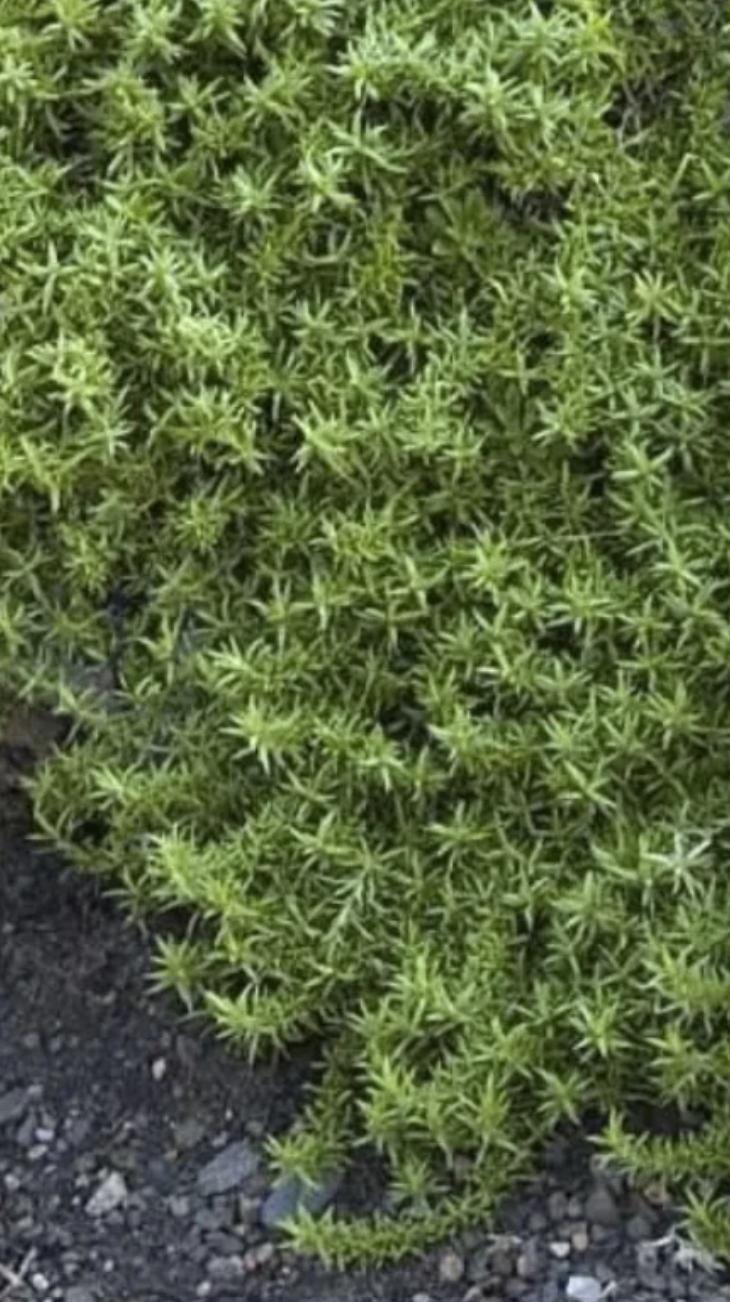
Now, if you're looking for something that stays green through winter, partridgeberry (Mitchella repens) deserves a spot on your list.
This tiny evergreen groundcover may not be the showiest plant at the garden center, but give it the right shady spot and it will reward you with glossy green foliage, delicate white flowers and bright red berries.
It's particularly lovely in a woodland garden where you want the landscape to feel soft, natural and layered.
Where does it like to grow?
🌤️ Part shade to shade
💧 Moist, organically rich, well-drained soil
🌳 Beneath trees and shrubs, woodland gardens and shady paths
And this one is especially exciting for our region: partridgeberry is included among the native groundcovers recommended for Southeast Virginia.
It's also evergreen, which gives your garden a little something to look at when the summer flowers have gone to bed for the season.
Want to add Partridgeberry to your garden? Here’s where you can find this beautiful native!
We may earn a small commission if you purchase through this link, at no extra cost to you. Thank you for supporting Root & Bloom!
<script async src="https://pagead2.googlesyndication.com/pagead/js/adsbygoogle.js?client=ca-pub-6545958482916591"
crossorigin="anonymous"></script>
🌱 What About Replacing Your Lawn?
Now, before you grab a shovel and declare war on your entire front yard, let's talk.
We're not suggesting that every blade of turf needs to disappear.
A lawn can have a place in a landscape.
But perhaps that shady patch where grass never grows well could become a carpet of green-and-gold.
Perhaps that sunny slope you've been mowing sideways for years could become a planting of wild strawberry and flowering groundcovers.
Perhaps the garden bed you've been struggling to keep mulched could be softened with a living carpet instead.
Start small.
One patch.
One corner.
One little experiment.
That's often how a more natural landscape begins.
And there is something awfully satisfying about watching a garden become more alive over time.
🌊 Why Groundcovers Matter in Hampton Roads
Here in Hampton Roads, we're surrounded by water—and we're increasingly aware of how important our landscapes are to the health and resilience of our communities.
A living groundcover can help protect soil from erosion, reduce the amount of exposed soil and create habitat for insects and other wildlife.
And unlike turf, many groundcovers offer something beyond simply being green.
They flower.
They spread.
They provide food.
They shelter small creatures.
They create layers.
They're part of a living landscape rather than simply a surface to mow.
That doesn't mean every groundcover is right for every yard. Sun, soil moisture and drainage still matter.
The trick is choosing the right plant for the right place.
🌿 A Little Cheat Sheet
Sunny spot?
🍓 Wild strawberry
🌸 Creeping phlox
Part shade?
🍓 Wild strawberry
🌸 Creeping phlox
✨ Green-and-gold
Shady spot?
✨ Green-and-gold
❤️ Partridgeberry
Looking for evergreen?
❤️ Partridgeberry
And remember: native to Virginia doesn't necessarily mean native to the Coastal Plain.
That's not a reason to avoid every Virginia native that isn't naturally found in Norfolk. It's simply a reminder to garden thoughtfully and understand what we're planting.
At Root & Bloom, that's what we're after—beautiful gardens with a sense of place.
Because our landscapes don't have to look like everybody else's.
They can look like Hampton Roads.
A little wild.
A little elegant.
And very much at home. 🌿💚
🌱 Start With One Patch
You don't have to give up your whole lawn.
You don't have to create a perfect native garden overnight.
Just start somewhere.
Replace one patch of turf with something living, flowering and useful.
Then see what happens.
Because sometimes the best gardens aren't the ones that are perfectly manicured.
They're the ones that feel like they belong.
Less mowing. More habitat. More beauty.
That's a garden we can all get behind.
<script async src="https://pagead2.googlesyndication.com/pagead/js/adsbygoogle.js?client=ca-pub-6545958482916591"
crossorigin="anonymous"></script>