What if your pond could do more than look pretty?
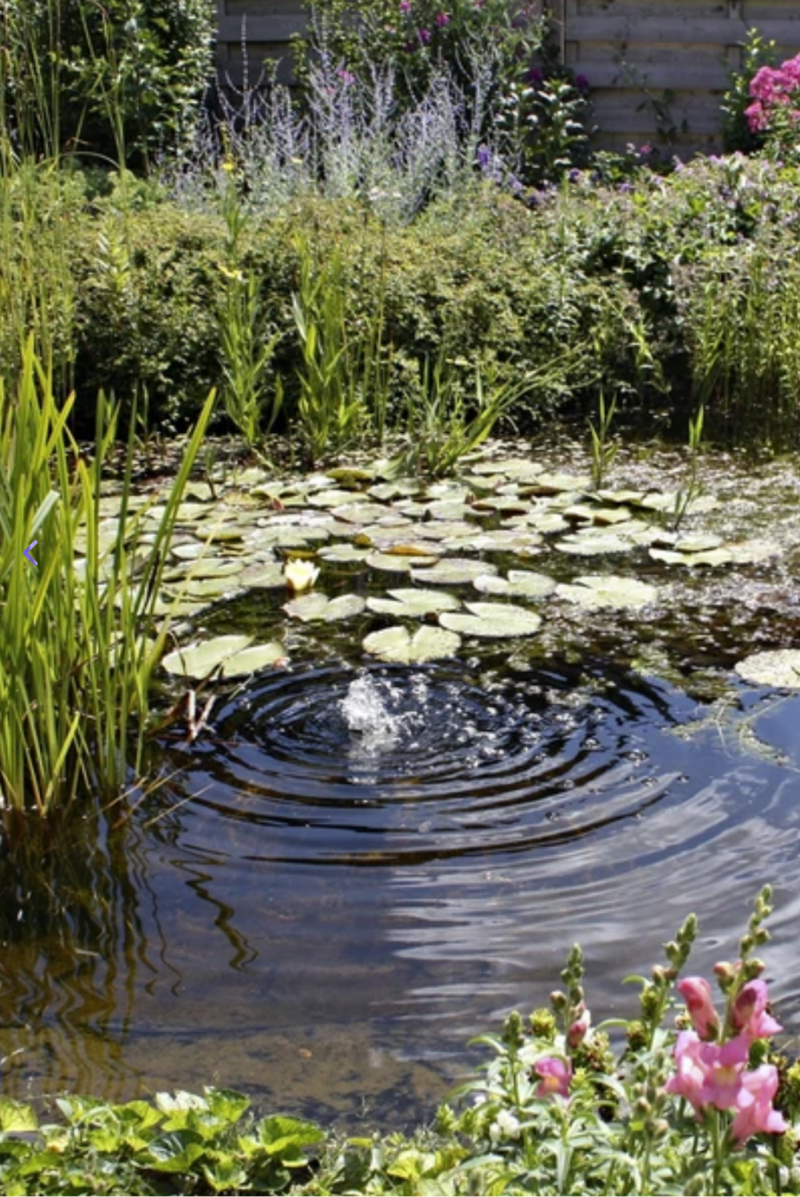
A pond can be so much more than a water feature.
When you surround it with native plants, you can create a miniature wetland that provides food, shelter, nesting habitat, and drinking water for birds, butterflies, dragonflies, frogs, and countless other backyard visitors.
And here in Tidewater Virginia, a native pond garden can do something else incredibly important:
💧 Help manage water.
Instead of fighting our region's rain and wet conditions, we can design gardens that work with water.
🌱 Start With a Native Pond Bog
You don't need a huge natural pond to create wetland habitat.
A small pond, wildlife basin, rain garden, or even a deliberately wet section of your yard can become the foundation for a native pond garden.
Think in layers:
💧 In the water
Plants that grow in or float on shallow water.
🌿 At the water's edge
Plants that love consistently moist soil.
🌾 Just beyond the edge
Native grasses, sedges, and flowering plants that tolerate periodic flooding.
This creates a transition zone that looks much more natural than a hard edge of rocks surrounding a pond.
Native Plants to Consider
The best plants depend on how deep your water is, how wet the soil stays, and how much sun the area receives.
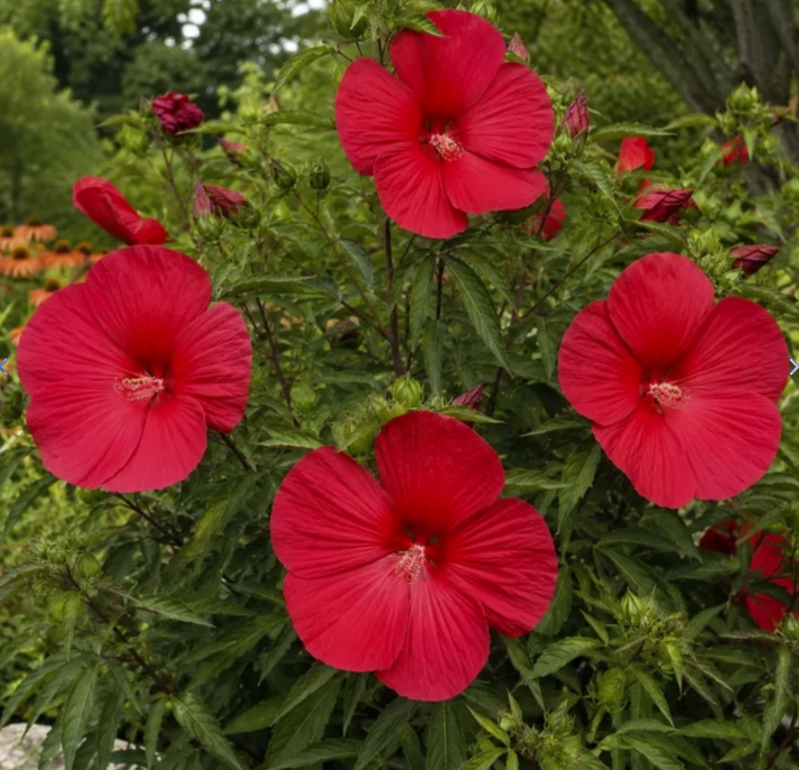
🌺 Swamp Rose Mallow
Hibiscus moscheutos
This is a showstopper.
Large flowers appear in summer and can attract hummingbirds and butterflies. It naturally occurs in wet areas and is particularly well suited to a moist pond edge.
Best for: Moist soil and pond edges
Sun: Full sun to part shade
Bonus: Huge summer flowers
🌼 Blue Flag Iris
Iris virginica
A beautiful native iris for wet soils.
Its blue-purple flowers bring an elegant vertical element to the pond edge while its foliage provides structure after flowering.
Best for: Wet pond margins
Sun: Full sun to part shade
Bonus: Excellent vertical accent
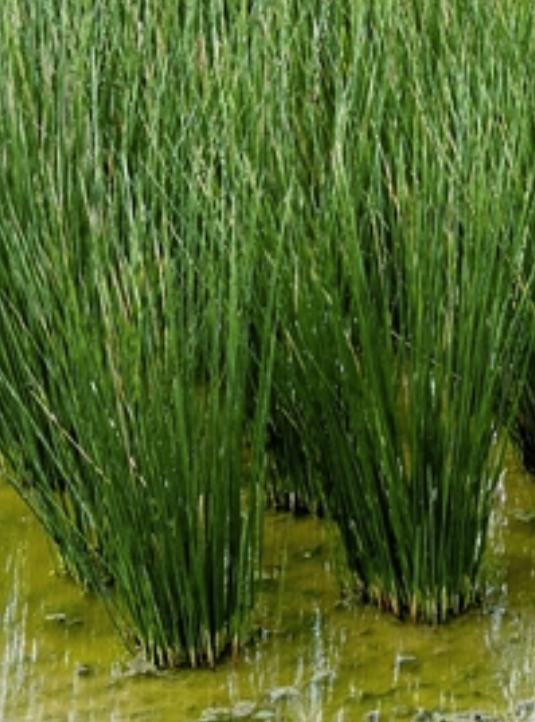
🌿 Soft Rush
Juncus effusus
If you're looking for structure, don't overlook rushes.
Their upright green stems create a natural transition between water and land while providing habitat for wildlife.
Best for: Wet soil and shallow-water areas
Sun: Full sun to part shade
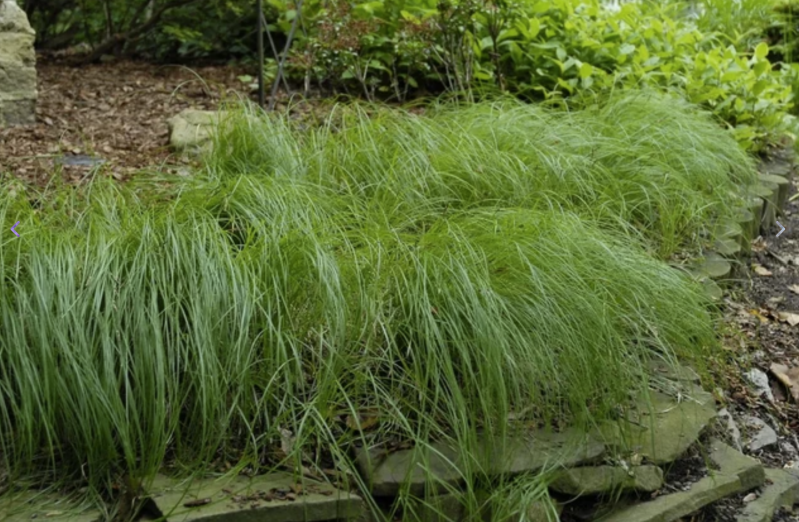
🌾 Native Sedges
Sedges can be incredibly useful around a backyard pond.
Species such as Pennsylvania sedge are better suited to drier conditions, while wetland sedges can be used where the soil remains consistently moist.
Best for: Creating a natural-looking transition zone
Bonus: Excellent habitat value
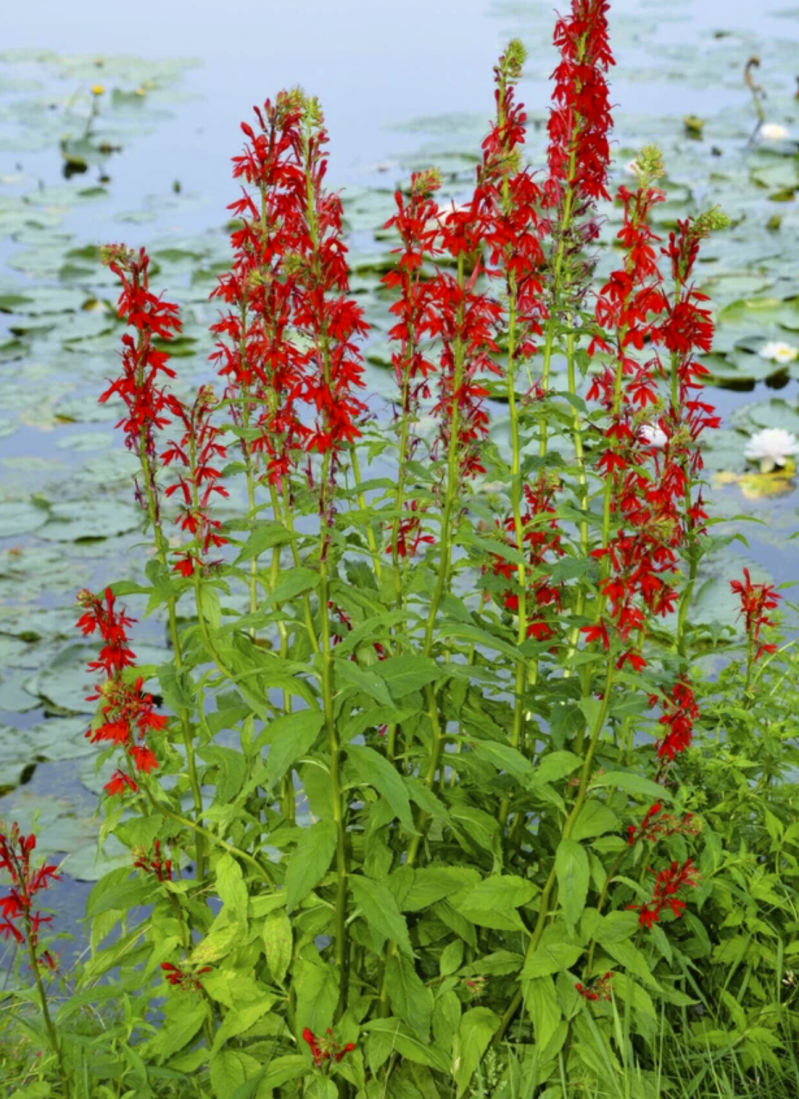
🌸 Cardinal Flower
Lobelia cardinalis
Want a pop of red?
Cardinal flower produces brilliant red blooms and thrives in moist conditions.
Its flowers are especially attractive to hummingbirds.
Best for: Moist pond edges
Sun: Part shade to full sun with adequate moisture
Bonus: Hummingbird favorite
💜 Blue Mistflower
Conoclinium coelestinum
This late-season bloomer produces clusters of fuzzy blue-purple flowers.
It's an excellent way to keep the pond garden interesting after many summer flowers have finished.
Best for: Moist soils
Sun: Full sun to part shade
Bonus: Pollinator-friendly
🐸 Don't Forget the Wildlife
A native pond garden isn't just about flowers.
The goal is to create habitat.
A well-designed pond can provide:
🐸 Frog habitat
🦋 Butterfly nectar
🐝 Native bee forage
🪲 Dragonfly habitat
🐦 Bird drinking and bathing opportunities
🦎 Shelter for small wildlife
And the plants themselves provide places for insects to lay eggs, hide from predators, and complete portions of their life cycles.
That's one reason a wildlife pond can be so much more valuable than a pond surrounded entirely by ornamental plants.
💧 Design for Water—Don't Just Fight It
Norfolk's relationship with water is complicated.
Heavy rainfall, stormwater runoff, saturated soils, and flooding are all part of living in a coastal city.
Instead of viewing water as the enemy, your landscape can incorporate it.
A pond or bog garden can become one piece of a larger water-wise landscape.
Consider connecting your pond area with:
Rain gardens → native plant beds → swales → pond/bog areas
The result can be a landscape that slows water, supports wildlife, and looks beautiful at the same time.
🌿 What About Mosquitoes?
This is one of the first questions people ask about backyard water.
"Won't a pond create mosquitoes?"
It can—if it's poorly designed.
Mosquitoes prefer shallow, stagnant water. Add BTI to the pond to help kill larvae.
A wildlife pond designed with appropriate depth, water movement, habitat, and natural predators can be very different from a neglected container of standing water.
Dragonflies, damselflies, fish where appropriate, frogs, and other aquatic predators can all become part of a healthy ecosystem.
And remember:
A clogged birdbath, bucket, flowerpot saucer, or forgotten container can also become mosquito habitat.
The answer isn't to eliminate every drop of water.
It's to manage water thoughtfully.
🌱 The Secret to a Natural-Looking Pond
Don't plant everything in a straight line.
Instead, create drifts and layers.
Try:
Tall → Medium → Low → Groundcover
For example:
🌿 Tall rushes and grasses
↓
🌺 Rose mallow and cardinal flower
↓
💜 Blue mistflower
↓
🌱 Low native groundcovers
Leave some open water visible.
Then allow plants to soften portions of the shoreline.
The goal is for the pond to look like it belongs there—not like a swimming pool surrounded by plants.
🐝 Skip the Chemicals
A wildlife pond works best when you think of it as an ecosystem rather than a decorative feature.
That means avoiding unnecessary pesticides and herbicides around the pond.
Chemicals that control one pest can also affect the insects, amphibians, and other wildlife you're trying to attract.
Instead, build biodiversity.
More native plants → more insects → more predators → healthier habitat.
That's the Root & Bloom approach.
🌎 Start Small
You don't need acres of property.
A small pond.
A shallow bog.
A rain garden.
A wet corner of your yard.
Even a carefully designed container water garden can introduce aquatic habitat.
Start with the conditions you already have and choose plants that naturally fit them.
The best garden isn't the one that fights your landscape.
It's the one that works with it.
🌿 Want to Build a Native Pond Bog?
Start by observing your yard after a heavy rain.
Where does water collect?
Where does it drain?
Which areas stay wet the longest?
Which areas receive full sun?
Those observations can tell you more than a plant catalog ever will.
Then build your planting plan around the water that's already trying to move through your property.
Because when we plant for the place we're actually living in—not the landscape we wish we had—we create gardens that are more beautiful, more resilient, and better for wildlife.
🌱 Root & Bloom Norfolk
Serving Tidewater Virginia
Let's grow gardens that work with nature—not against it.
Save this post for your next pond project and share it with someone who wants to turn their yard into wildlife habitat.
🌱 Grow native. Grow wild. Grow something that gives back.
Want to add Swamp Rose Mallow to your pond? Here’s where you can find this beautiful native! 🌿💕